
Your modeling portfolio is your most powerful tool in the fashion industry. It's your visual resume, your calling card, and often your first impression with agencies, clients, and casting directors. In Dubai's competitive modeling market, a strong portfolio can be the difference between landing your dream job and being passed over.
As Business Development Manager at Elite Models Agency Dubai, I've reviewed thousands of portfolios over the years. I've seen portfolios that immediately grab attention and others that miss the mark despite featuring beautiful models. Today, I'm sharing everything you need to know about creating a portfolio that opens doors and advances your modeling career.
Understanding the Purpose of Your Portfolio
Before we dive into the specifics, let's clarify what a modeling portfolio is supposed to achieve. Your portfolio should showcase your versatility as a model, demonstrate your ability to work with professional teams, highlight your best features and strongest looks, show your range of expressions and poses, and prove you photograph well under various lighting and conditions.
A portfolio isn't about showing every photo you've ever taken. It's about presenting a carefully curated collection that tells a story about who you are as a model and what you can do for clients.
Quality always trumps quantity. Ten outstanding images beat fifty mediocre ones every single time. Your portfolio should make viewers want more, not wish there was less.
Essential Portfolio Components
Every strong modeling portfolio needs certain key elements. Let's break down the essential shot types that should be included.
1. Polaroids (Digital Test Shots)
Polaroids are simple, unretouched photos taken in natural lighting with minimal or no makeup. These show what you really look like and are crucial for agency submissions and casting calls. Despite their simplicity, they're often the most important images in your portfolio because they show your authentic appearance.
Your polaroids should include front-facing headshot, profile shots (left and right), full-body shots (front and back), and a natural smile shot. These should be updated regularly – ideally every three to six months – to ensure they accurately reflect your current appearance.
2. Professional Headshots
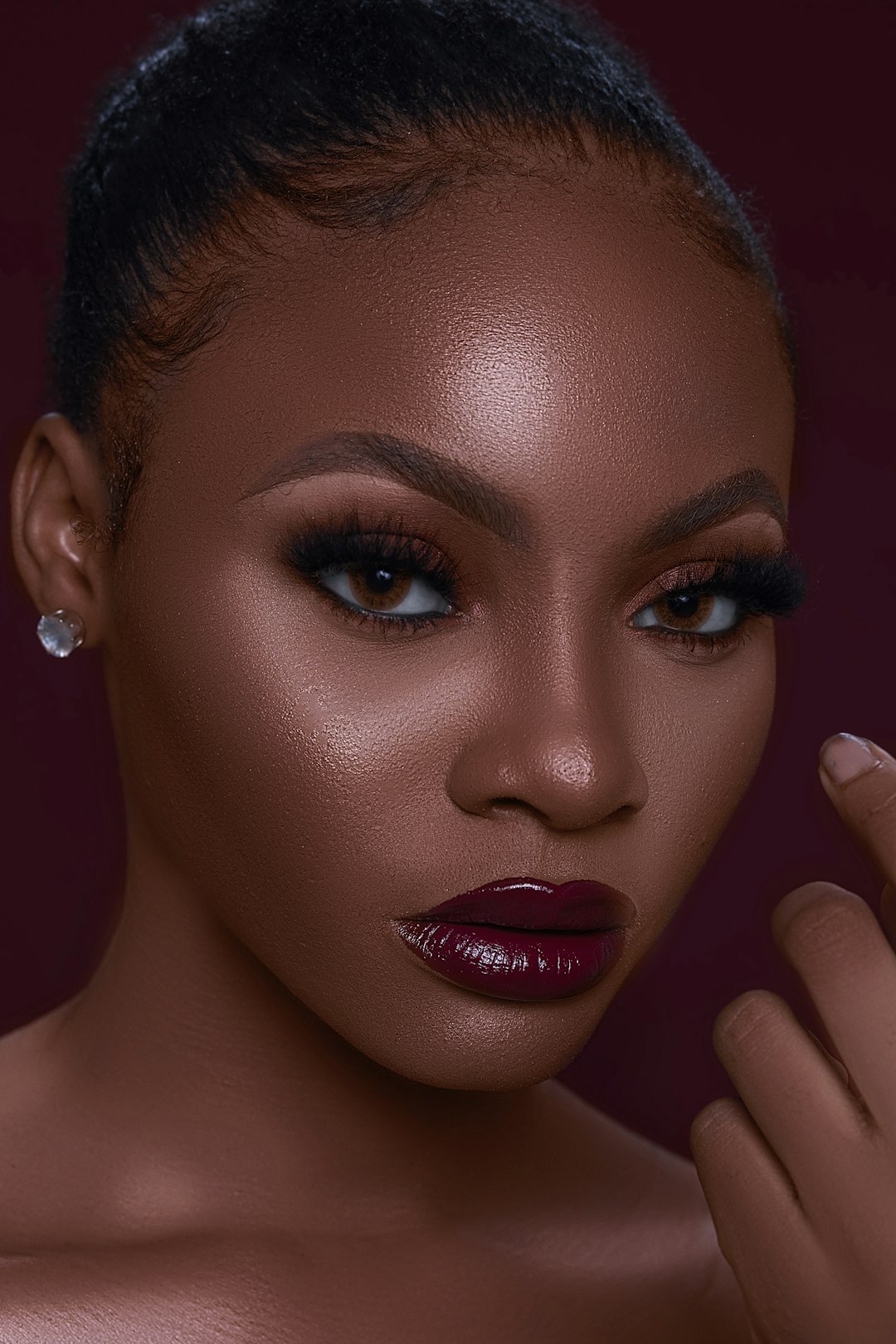
Professional headshots are polished, high-quality portraits that showcase your face. These are different from polaroids – they should be well-lit, professionally styled, and retouched to industry standards.
Include headshots with different expressions: serious/intense, friendly/approachable, and natural/neutral. Variety in expression shows your range and ability to convey different moods and characters.
3. Full-Body Shots
Full-body photographs demonstrate your physique, proportions, and how you carry yourself. These should show different poses and angles, wearing simple, form-fitting clothing that doesn't distract from your body lines.
For fashion modeling, these shots are crucial because clients need to see how you'll look wearing their designs. The clothing should be neutral – think solid colors in blacks, whites, or nudes that don't compete for attention.
4. Fashion/Editorial Shots
These are styled, conceptual images that show your ability to work in high-fashion contexts. They should demonstrate your understanding of fashion, your ability to take direction, and your capacity to bring a creative vision to life.
Editorial shots typically feature more dramatic styling, makeup, and concepts. They show you can elevate beyond basic modeling into artistic fashion photography.
5. Commercial Shots
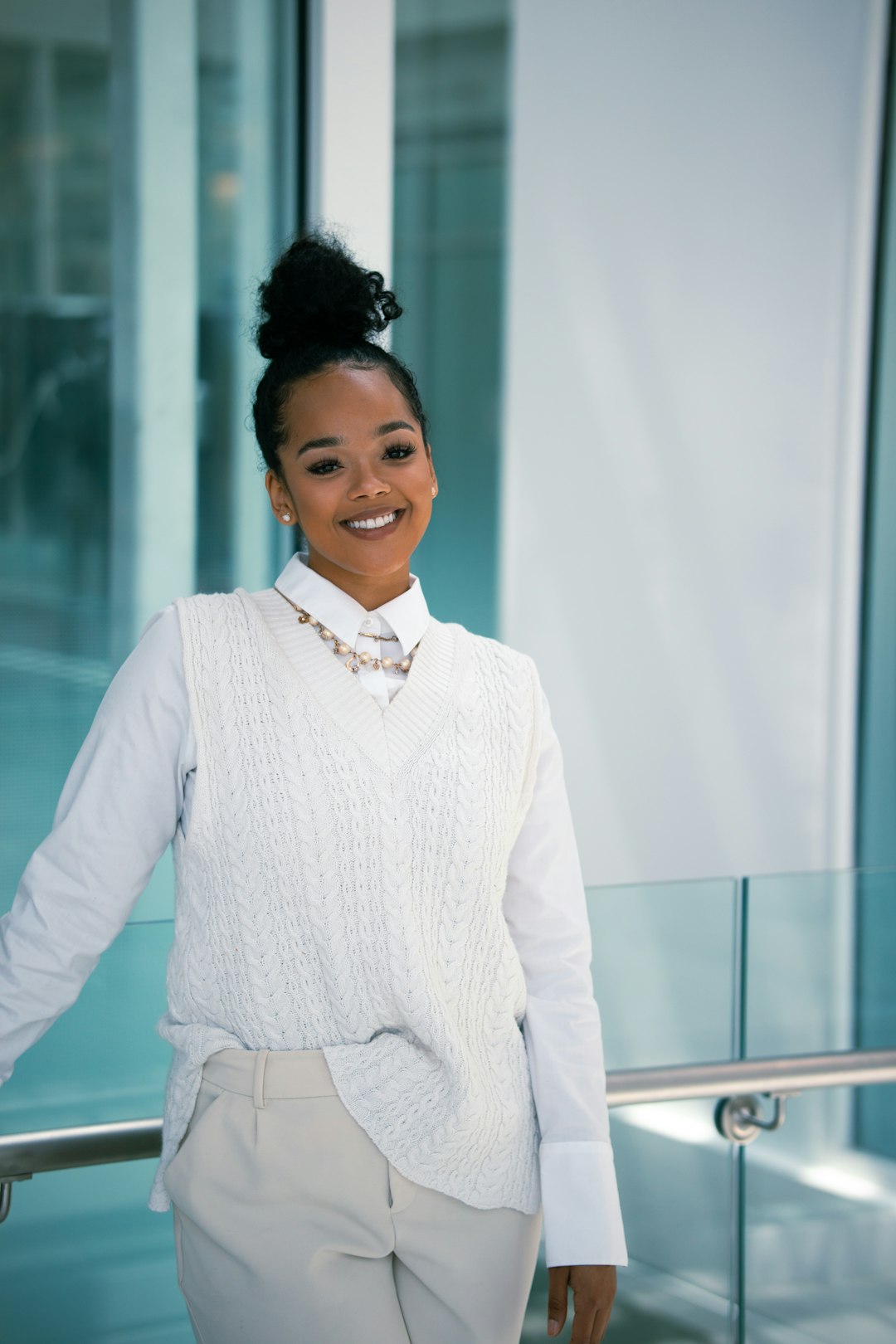
Commercial images are friendly, approachable, and relatable. These are used for advertisements, catalogs, and lifestyle brands. They should show you looking natural, happy, and accessible – the type of person consumers can relate to and trust.
Commercial work often pays well and is plentiful in Dubai's market, so don't underestimate the importance of strong commercial shots in your portfolio.
Planning Your Portfolio Shoot
Creating a strong portfolio requires careful planning. Here's how to approach it strategically.
Setting Clear Goals
Before booking any shoots, determine what type of modeling work you're targeting. Are you focused on high fashion, commercial work, fitness modeling, or something else? Your portfolio should be tailored to your goals.
Research the type of work you want and study portfolios of successful models in that niche. What do their portfolios have in common? What stands out? Use this research to inform your own portfolio strategy.
Pre-Shoot Preparation Checklist
- Research and hire an experienced fashion photographer
- Create a mood board with inspiration images
- Plan your wardrobe (multiple outfits in various styles)
- Book professional hair and makeup if budget allows
- Scout locations or book studio time
- Get plenty of rest the night before
- Stay hydrated and avoid alcohol/salty foods
- Prepare a shot list with the photographer
Choosing the Right Photographer
Your photographer choice is crucial. Look for someone who specializes in fashion or modeling photography and has experience creating portfolios. Review their previous work carefully – do their models look professional? Is the lighting quality consistent? Do they understand posing and angles?
In Dubai, there are many talented photographers, but not all specialize in fashion. Don't choose a wedding photographer or portrait specialist for your modeling portfolio – the styles and requirements are different.
Budget Considerations
Quality portfolio development requires investment, but you don't need to spend a fortune when starting out. Many photographers offer portfolio packages specifically for aspiring models. Some also do TFP (Time for Prints) arrangements where both parties benefit from the shoot – you get portfolio images, they get images for their own portfolio.
Be cautious with TFP though. Ensure the photographer is experienced and their work is high quality. A free shoot that produces unusable images wastes everyone's time.
Wardrobe and Styling
Your clothing choices significantly impact your portfolio's effectiveness. Here are guidelines for what to wear.
Essential Wardrobe Pieces
Every model should have these basics for portfolio shoots: form-fitting jeans in dark wash, solid color t-shirts (black, white, grey), simple black dress, neutral-colored blazer, fitted tank tops, and swimwear (if pursuing fitness/swimsuit modeling).
Avoid loud patterns, large logos, trendy pieces that will date quickly, and anything that doesn't fit perfectly. Remember, the focus should be on you, not your clothing.
Styling Tips
Keep accessories minimal unless they're integral to the concept. Hair and makeup should enhance your natural features, not mask them. For most portfolio work, natural makeup is preferred, though you should also have some images with more dramatic styling to show range.
Bring multiple styling options to your shoot. Changing your look between setups shows versatility and gives you more variety in your final portfolio.
Posing and Expression
How you position yourself and express emotion through your face and body makes a huge difference in your portfolio's impact.
Basic Posing Guidelines
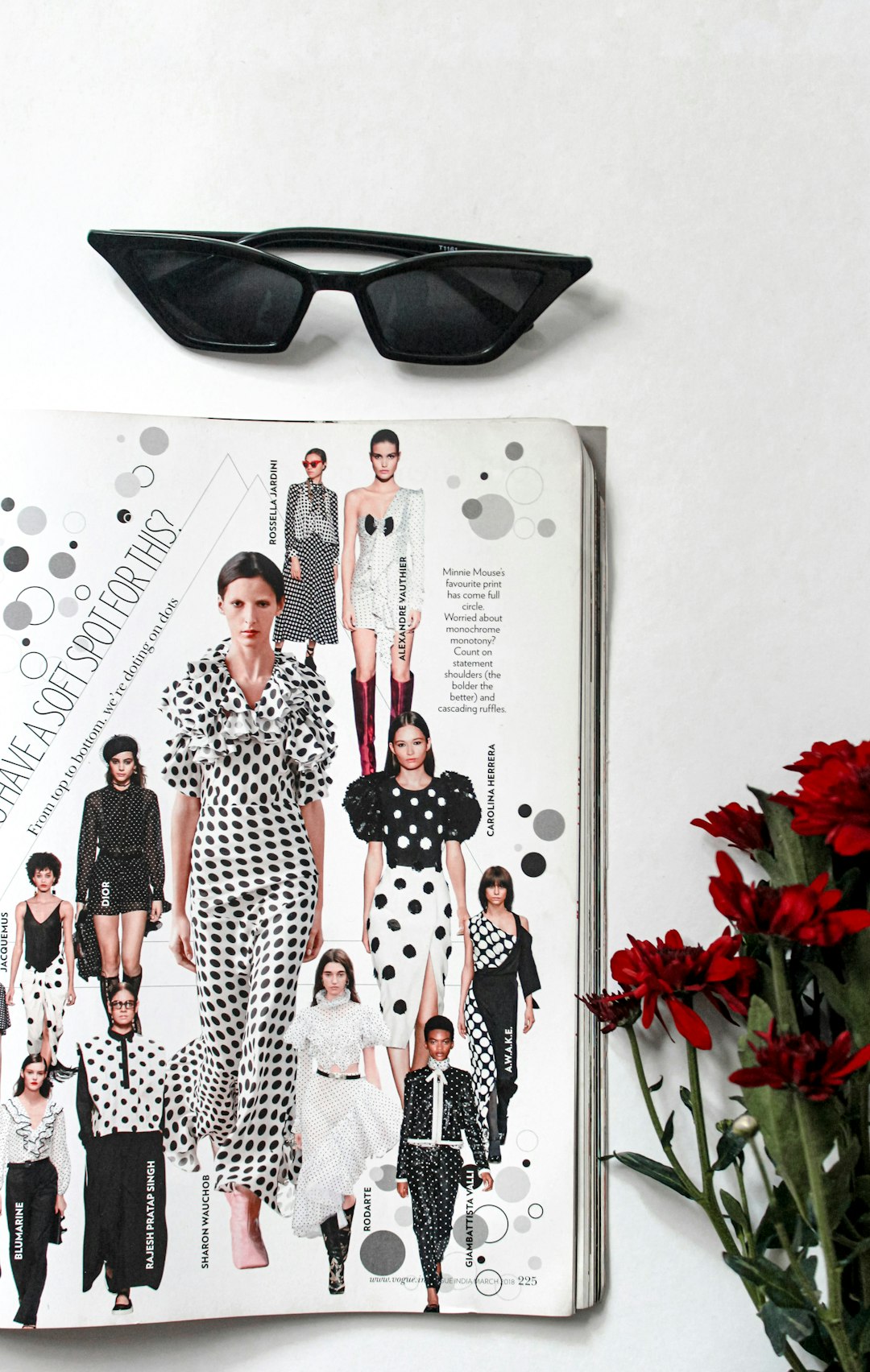
Practice poses before your shoot by studying fashion magazines and professional model portfolios. Notice how models angle their bodies, position their hands, and hold their head. Practice in front of a mirror to find your best angles.
Key posing tips include keeping your shoulders back and posture straight, creating angles with your body (avoid standing flat and straight), being mindful of hand placement (avoid awkward or tense hands), and maintaining confidence in your expressions and body language.
Your eyes are incredibly powerful in photos. Practice expressing different emotions through your eyes alone. This skill will dramatically improve your portfolio images and your success in bookings.
Expression Range
Your portfolio should show you can convey different moods and emotions. Include shots that are intense and smoldering, soft and romantic, energetic and joyful, serious and editorial, and natural and approachable.
The ability to shift between these expressions quickly is a mark of a professional model. Practice transitioning between different emotions and expressions – this skill is invaluable during actual shoots.
Post-Production and Selection
After your shoot, the real work begins – selecting and editing your images.
Image Selection Process
You'll typically have hundreds of images from a professional shoot. Narrowing these down requires objectivity. Ask yourself: Does this image show me at my best? Is the technical quality (focus, lighting, composition) excellent? Does this add something unique to my portfolio? Would a client hire me based on this image?
Get feedback from trusted sources – your agency (if you have one), photographer, or experienced models. Sometimes others spot great images you might overlook.
Professional Retouching
Professional retouching is standard in the industry, but there's a fine line between polished and overdone. Good retouching enhances without drastically altering your appearance. It should address minor skin blemishes, adjust lighting and color for consistency, and refine overall image quality without changing your fundamental features or body shape.
Over-retouched images can actually harm your career. When you show up to a casting looking different from your portfolio images, you damage your credibility and waste everyone's time.
Portfolio Organization and Presentation
How you present your portfolio matters as much as the images themselves.
Digital vs. Physical Portfolios
In today's market, you need both. A digital portfolio (website or PDF) is essential for email submissions and online casting. A physical portfolio (high-quality printed book) is important for in-person meetings and go-sees.
Your digital portfolio should be mobile-friendly, fast-loading, organized by category or concept, and easy to navigate with clear, high-resolution images. Your physical portfolio should feature professional printing on quality paper, be organized in a clean, professional portfolio book, and be updated regularly as you add new work.
Portfolio Flow and Order
The order of your images matters. Start with a strong image that immediately grabs attention. Group similar images together (all commercial shots, all editorial, etc.). Vary the types of shots to maintain interest (don't put all headshots together). End with another strong image that leaves a lasting impression.
Think of your portfolio as telling a story. The flow should feel natural and showcase your range without feeling chaotic or disorganized.
Maintaining and Updating Your Portfolio
Your portfolio is never truly "finished" – it should evolve as you grow as a model.
When to Update
Update your portfolio regularly as you complete new professional work, after significant appearance changes (haircut, weight change, etc.), when you want to target different types of modeling work, and at least once or twice per year even if you haven't changed significantly.
As you gain more experience and book professional jobs, replace your earlier test shots with images from actual client work. Real campaign and editorial images carry more weight than test shoots.
Getting Professional Feedback
Regularly seek feedback on your portfolio from agencies, photographers, and experienced models. What's working? What could be improved? Are you missing any key types of shots?
At Elite Models Agency Dubai, we regularly review our models' portfolios and provide guidance on updates and improvements. If you're not with an agency yet, consider hiring a portfolio consultant for professional feedback.
Common Portfolio Mistakes to Avoid
Learn from others' mistakes. Here are the most common portfolio errors I see:
- Too many images: More isn't better. Keep your portfolio tight and impactful (15-25 images maximum).
- Low-quality images: One amateur photo can undermine your entire portfolio. Every image should be professional quality.
- Over-editing: Heavy filters and excessive retouching look unprofessional and unrealistic.
- Inconsistent style: Your portfolio should feel cohesive, not like a random collection of unrelated images.
- Outdated images: If your appearance has changed, your portfolio should reflect that.
- Inappropriate images: Keep it professional. Overly provocative images can harm rather than help your career.
- Poor technical quality: Blurry, poorly lit, or poorly composed images have no place in a professional portfolio.
The Investment in Your Career
Building a strong portfolio requires investment – both financial and in terms of time and effort. But this investment pays dividends throughout your modeling career. Your portfolio opens doors, secures bookings, and establishes your professional reputation.
In Dubai's competitive market, models with strong portfolios consistently book better jobs and command higher rates. The models who invest in quality portfolio development from the start tend to advance more quickly in their careers.
Your portfolio is your professional story told through images. Make it compelling, authentic, and polished. Show the industry who you are and what you can do. With the right portfolio, you'll be well-positioned to seize opportunities in Dubai's exciting modeling market.
Next Steps
Now that you understand what makes a strong portfolio, it's time to take action. Start by assessing your current portfolio (or planning your first one), researching photographers in Dubai who specialize in modeling portfolios, creating a budget and timeline for your portfolio development, and reaching out to agencies like Elite Models Agency Dubai for guidance and representation.
Remember, your portfolio is never truly finished – it grows and evolves with your career. The models who consistently invest in their portfolios are the ones who build lasting, successful careers in the industry.
Your perfect portfolio is waiting to be created. With the right approach, professional guidance, and commitment to quality, you can build a portfolio that showcases your potential and opens doors to exciting opportunities in Dubai's vibrant modeling industry.
Back to Blog